

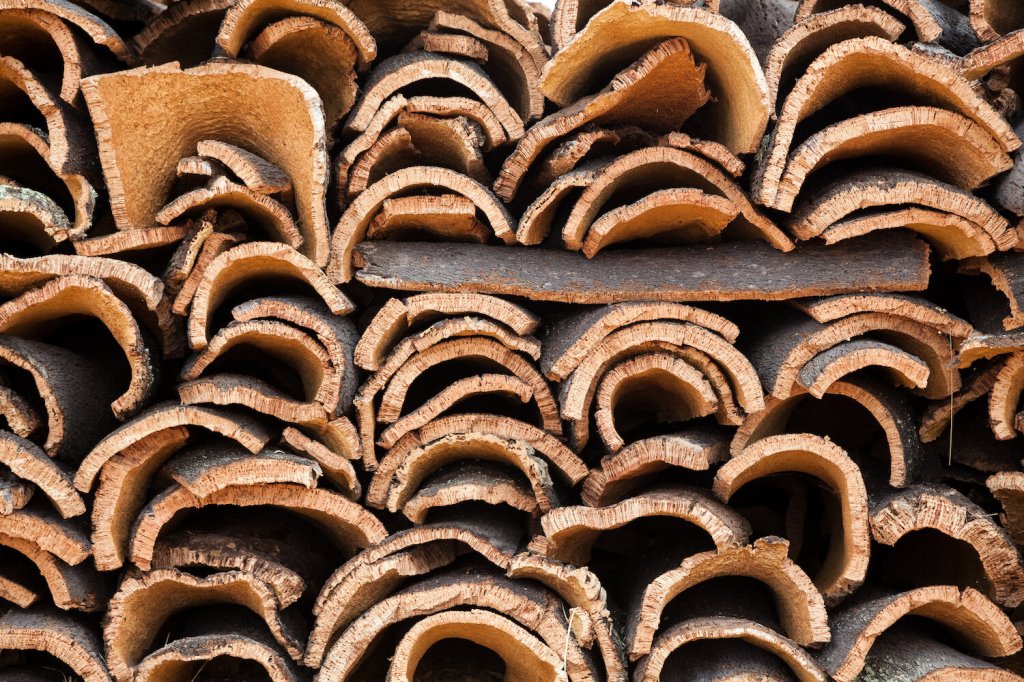
Cork, the outer bark of the cork oak tree, contains millions of air-filled, honeycomb-like cells—about 40 million per cubic centimetre—coated with suberin and lignin. This structure gives cork its lightweight, elastic, insulating, and moisture-resistant properties. Its versatility makes it valuable in industries like construction, aerospace, automotive, and consumer goods.
All Natural.
100% Recyclable.
Unlike many synthetic materials, cork can be reused or repurposed without losing its core properties. This recyclability reduces landfill waste and the need for virgin resources, contributing to a more circular, low-impact production cycle.
Cork is a renewable resource, with bark regenerating for repeated
harvests.
Negative Carbon Footprint
Cork products are made from 100% pure natural cork, with all production waste recycled back into the manufacturing process. This closed-loop approach significantly reduces the carbon footprint associated with production and supports global efforts to create a more sustainable construction industry, ultimately contributing to the health and longevity of our planet.
Sustainable Harvesting Practices
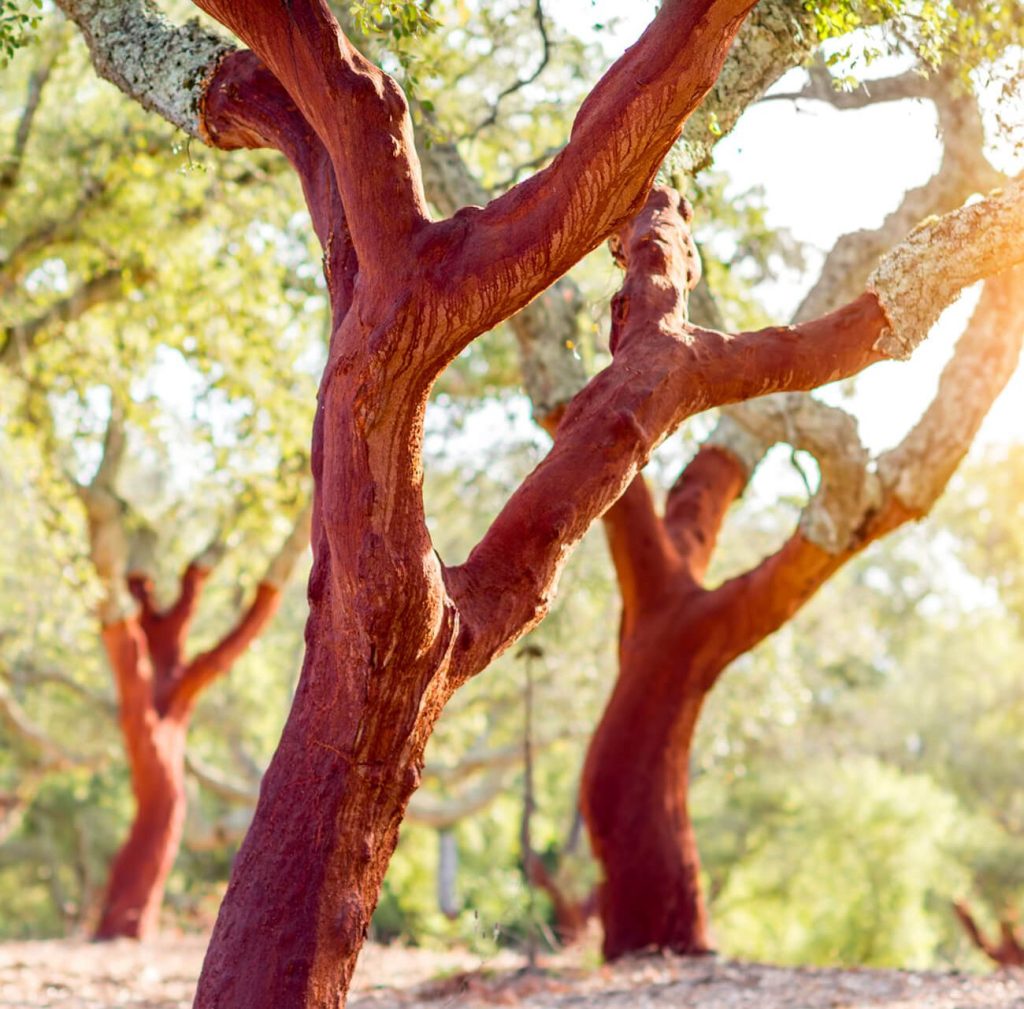
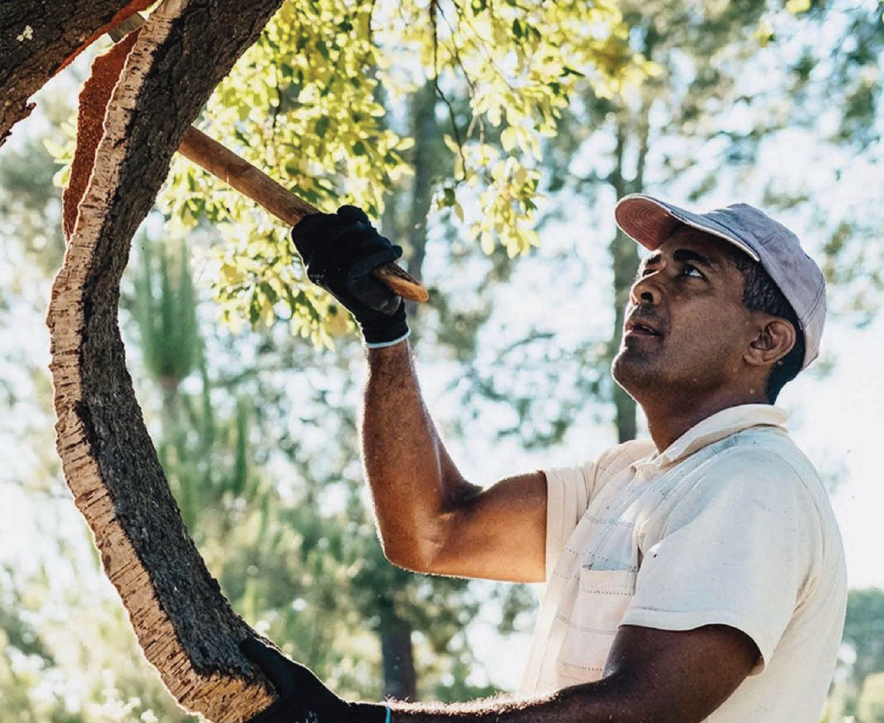
Cork is harvested from the bark of cork oak trees without harming the trees, which re-grows the outer bark layer.
9 years – The period of time between each cork oak harvesting.
25 years – The average time before the cork oak is harvested for the first time.
200 years – The average life expectancy of a cork oak.
 Natural Cork Co